
"La Paz"
300 article(s) found

Introduction of Bolivian Coffee producing countries with the name of Alpine country
In boutique coffee, Bolivian coffee is described in this way; Bolivia, located on the southeast side of Peru, is an alpine country. La Paz (capital) is 3660 meters above sea level. Coffee cannot be grown in such a cold place. But YUNGAS, northeast of La Paz, borders the Amazon basin. The altitude is a little lower. About 1500-2500 meters. The average annual temperature is about 10-15 degrees without frost damage in winter. The fertile soil is Bolivid.
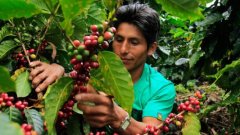
Introduction of washed boutique coffee beans in Honduras introduction to Goz Piers Coffee Manor
Coffee began to be grown in Honduras in 1804, and now there are 280000 hectares of coffee plantations, all of which are small coffee farmers, who account for 60% of Hongguo's coffee production. Honduras overtook Guatemala in coffee production in 2011 and became the second largest exporter of washed Arabica beans in the world in 2012, after Brazil. Now

Why does Bolivian coffee produce so little? Bolivian coffee bean flavor story
Professional coffee knowledge exchange more information about coffee beans Please follow the coffee workshop (Wechat official account cafe_style) if you want to talk about the paradise of coffee bean growth, it is Bolivia. This producing area can be regarded as one of the most recommended boutique coffee producing areas. Most of the coffee beans in this producing area are a little sweet and very pleasing, but the number of coffee beans is very small.

What are the six coffee producing areas in Honduras
In Honduras, coffee-producing areas are divided into six major areas, spread to the west and south, namely Santa Barbara (Santa Barbara), El Paraiso (El Paraiso), Copan (Copan), La Paz (La Paz) and Comayagua (Olan Mound), with an average planting height of more than 1100 meters above sea level. The variety of coffee is Elaraby

Honduran coffee beans with rich and balanced taste introduce boutique coffee
In Honduras, coffee-producing areas are divided into six major producing areas, spread to the west and south, namely Santa Barbara (Santa Barbara), El Paraiso (El Paraiso), Copan (Copan), La Paz (La Paz), Gongmayagua (Comayagua) and Olanqiu (Olancho), with an average height of over 1100 meters above sea level. The variety of coffee is Arabica

Characteristics of taste and flavor in Bolivian areas
Bolivia, located on the southeast side of Peru, is an alpine country. La Paz (capital) is 3660 meters above sea level. Coffee cannot be grown in such a cold place. But YUNGAS, northeast of La Paz, borders the Amazon basin. The altitude is a little lower. About 1500-2500 meters. The average annual temperature is about 10-15 degrees without frost damage in winter. The fertile soil is characteristic of the main coffee producing areas in Bolivia. America

Introduction to the Flower-scented Honduran Coffee Bean Grinding scale
In Honduras, coffee-producing areas are divided into six major producing areas, spread to the west and south, namely Santa Barbara (Santa Barbara), El Paraiso (El Paraiso), Copan (Copan), La Paz (La Paz), Gongmayagua (Comayagua) and Olanqiu (Olancho), with an average height of over 1100 meters above sea level. Coffee variety is Arabica.

Coffee mellow Tour (25) Bolivian Coffee
Just as Colombia is named in honor of Columbus, the discoverer of the New World, Brazil is named because Brazil is rich in trees called Brazilian trees. Bolivia commemorates Simon Bolivar, the hero who made an important contribution to the liberation of all Latin America. This is a strange country, the legal capital is Sucre, and the seat of government is La Paz. Sucre.

Introduction to Bolivian Coffee Manor, producing area of Alpine country Coffee
This is the description of Bolivian coffee; Bolivia, located on the southeast side of Peru, is. La Paz (capital) is 3660 meters above sea level. Coffee cannot be grown in such a cold place. But YUNGAS, northeast of La Paz, borders the Amazon basin. The altitude is a little lower. About 1500-2500 meters. The average annual temperature is about 10-15 degrees without frost damage in winter. The fertile soil is characteristic of the main coffee producing areas in Bolivia. America

Introduction to the Blood Manor of the Coffee producing country of Bolivia
In boutique coffee, this is the description of Bolivian coffee; Bolivia, located on the southeast side of Peru, is an alpine country. La Paz (capital) is 3660 meters above sea level. Coffee cannot be grown in such a cold place. But YUNGAS, northeast of La Paz, borders the Amazon basin. The altitude is a little lower. About 1500-2500 meters. The average annual temperature is about 10-15 degrees without frost damage in winter. The fertile soil is Bolivia.

Treatment of coffee beans in manors in Bolivian coffee bean producing areas
This is the description of Bolivian coffee; Bolivia, located on the southeast side of Peru, is an alpine country. La Paz (capital) is 3660 meters above sea level. Coffee cannot be grown in such a cold place. But YUNGAS, northeast of La Paz, borders the Amazon basin. The altitude is a little lower. About 1500-2500 meters. The average annual temperature is about 10-15 degrees without frost damage in winter. Fertile soil is a special feature of the main coffee producing areas in Bolivia.

The main characteristics of washed coffee beans in Honduras are the more famous coffee farms in Honduras.
Professional coffee knowledge exchange more coffee bean information Please follow the coffee workshop (Wechat official account cafe_style) in fact, Honduras coffee is not so smooth from the start, compared with other Central American countries such as Costa Rica, Guatemala, Nicaragua, coffee development can be said to be very late. The main reason for this is the lack of connection between Honduras and the origin.

The sour taste of citrus fruits the flavor and taste characteristics of Bolivian snow vein manor coffee
In 1932, the Chaco War broke out between Bolivia and Paraguay for oil resources in the North Chaco region. Bolivia was defeated and lost a large area of territory. The people's armed uprising broke out in April 1952, and Paisdensolo, leader of the nationalist revolutionary movement, became president. Since then, there have been frequent military coups and long-term political instability. Modern assets with South American characteristics were restored in October 1983

A fruity coffee manor in Honduras. Introduction to Santa Barara Manor
In Honduras, coffee-producing areas are divided into six major areas, spread to the west and south, namely Santa Barbara (Santa Barbara), El Paraiso (El Paraiso), Copan (Copan), La Paz (La Paz) and Comayagua (Olan Mound), with an average planting height of more than 1100 meters above sea level. The variety of coffee is Elaraby

Bolivian coffee flavor what coffee beans are used for hand-brewed coffee
In boutique coffee, this is the description of Bolivian coffee; Bolivia, located on the southeast side of Peru, is an alpine country. La Paz (capital) is 3660 meters above sea level. Coffee cannot be grown in such a cold place. But YUNGAS, northeast of La Paz, borders the Amazon basin. The altitude is a little lower. About 1500-2500 meters. The average annual temperature is about 10-15 degrees without frost damage in winter. The fertile soil is Bolivia.

There are bright sour berries. Introduction to Bolivian coffee with almond flavor and hazelnut sweetness
In boutique coffee, this is the description of Bolivian coffee; Bolivia, located on the southeast side of Peru, is an alpine country. La Paz (capital) is 3660 meters above sea level. Coffee cannot be grown in such a cold place. But YUNGAS, northeast of La Paz, borders the Amazon basin. The altitude is a little lower. About 1500-2500 meters. The average annual temperature is about 10-15 degrees without frost damage in winter. The fertile soil is Bolivia.

High-quality coffee processing methods are introduced in the coffee-producing areas of Honduras with rich flavor.
In Honduras, coffee-producing areas are divided into six major producing areas, spread to the west and south, namely Santa Barbara (Santa Barbara), El Paraiso (El Paraiso), Copan (Copan), La Paz (La Paz), Gongmayagua (Comayagua) and Olanqiu (Olancho), with an average height of over 1100 meters above sea level. The variety of coffee is Arabica

Recommendation of Organic Coffee beans in Bolivia Boutique Manor in Bolivia _ how to bake Bolivian coffee beans
Professional coffee knowledge exchange more coffee bean information please follow the coffee workshop (Wechat official account cafe_style) boutique coffee is described in the Bolivian coffee; located in the southeast of Peru, Bolivia is an alpine country. La Paz (capital) is 3660 meters above sea level. Coffee cannot be grown in such a cold place. But the YUNGAS and Amazon basins northeast of La Paz
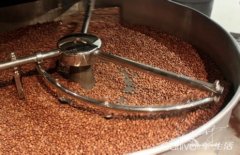
A brief introduction to the treatment method of grinding degree and baking degree of citrus sour Bolivian snow vein manor coffee
The legal capital, the seat of the Supreme Court, with a population of 284000, 2790 meters above sea level. Founded in 1538, the city was formerly known as Chuquisaka. The city witnessed the first uprising in South America against Spanish rule in 1809. Bolivia declared its independence here in 1825 and became the capital in 1826. In 1839, it was renamed Sucre to commemorate the second president of Bolivia, General Antonio Jos é Sucre.

Bolivian Coffee Plantation Coffee Beans Bolivian Valiki Java Coffee Beans Flavor Features Story
Professional coffee knowledge exchange More coffee bean information Please pay attention to coffee workshop (Weixin Official Accounts cafe_style) If you want to say that coffee beans grow in heaven, it is Bolivia. This producing area can be regarded as one of the most recommended fine coffee producing areas in Xiaobian. The coffee beans in this producing area are mostly sweet and very pleasant, but the amount of coffee beans is very small.